INVESTMENT
America’s Trash Is Powering a Quiet Energy Shift
An Illinois project shows landfill gas scaling nationwide, turning waste sites into reliable, low-carbon energy infrastructure
12 Jan 2026
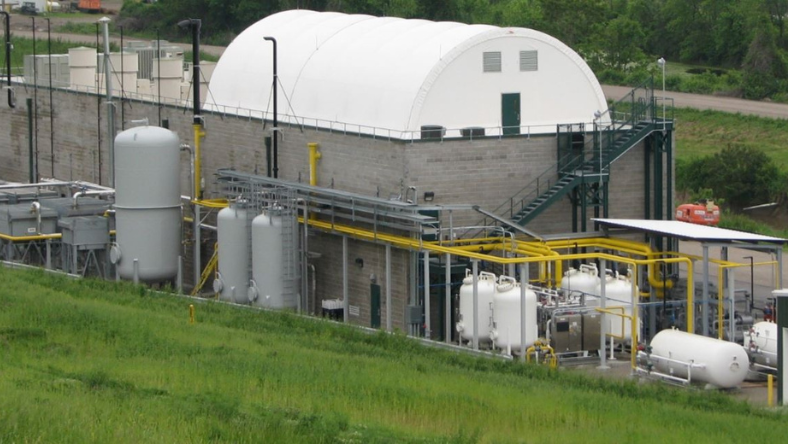
A new landfill gas project in Illinois is drawing attention as evidence that renewable natural gas from waste sites is becoming a larger part of the US energy system, moving beyond pilot schemes to long-term infrastructure.
The Upper Rock renewable natural gas facility in East Moline, developed by Ameresco and Republic Services, captures methane from a municipal landfill and upgrades it to pipeline-quality gas. Once injected into existing utility networks, the fuel can be used for transport, heating or power generation.
The project is expected to produce more than 500,000 dekatherms of renewable natural gas a year, underscoring how landfills are being repositioned as energy assets rather than solely waste disposal sites. Developers and utilities increasingly view such facilities as reliable sources of low-carbon fuel with operating lives measured in decades.
Ameresco and Republic Services have expanded their involvement in waste-based energy projects in recent years, reflecting broader interest across the sector. In several states, similar landfill gas developments are being supported by pipeline interconnections and long-term supply agreements, suggesting rising confidence among utilities and corporate energy buyers.
Supporters argue that landfill gas offers an advantage over other renewable sources because methane generation is continuous. Unlike wind or solar power, output is not dependent on weather conditions, making it attractive to utilities and industrial users seeking steady supply while cutting emissions.
Public policy has also played a role. Federal and state clean fuel programmes, along with tax incentives, have helped improve the economics of renewable natural gas by offsetting high upfront costs for construction and grid connection. However, developers still face hurdles, including complex permitting processes and volatility in environmental credit markets.
Industry participants say these risks are easing as projects become more standardised and experience grows. Larger project pipelines and repeat partnerships are also helping to reduce development costs.
For local communities, landfill gas projects can lower methane emissions and improve air quality. For the energy sector, they point to a more infrastructure-led phase of growth in renewable fuels.
As more facilities come online across the US, landfill gas is shifting from a marginal technology to a more established component of the country’s low-carbon energy supply.
Latest News
12 Jan 2026
America’s Trash Is Powering a Quiet Energy Shift7 Jan 2026
Cleaner Gas Moves to the Forefront of US Biogas Reliability17 Dec 2025
Why Gas Cleanup Is Becoming the Backbone of US Biogas15 Dec 2025
Big Banks Bet on Renewable Gas With $180M Deal
Related News
INVESTMENT
12 Jan 2026
America’s Trash Is Powering a Quiet Energy Shift
TECHNOLOGY
7 Jan 2026
Cleaner Gas Moves to the Forefront of US Biogas Reliability
INNOVATION
17 Dec 2025
Why Gas Cleanup Is Becoming the Backbone of US Biogas
SUBSCRIBE FOR UPDATES
By submitting, you agree to receive email communications from the event organizers, including upcoming promotions and discounted tickets, news, and access to related events.