INSIGHTS
Why Landfills Are Becoming Hotspots for Renewable Gas
Landfill RNG projects are moving faster as developers take on ownership and operations, easing costs and risk for site owners
19 Jan 2026
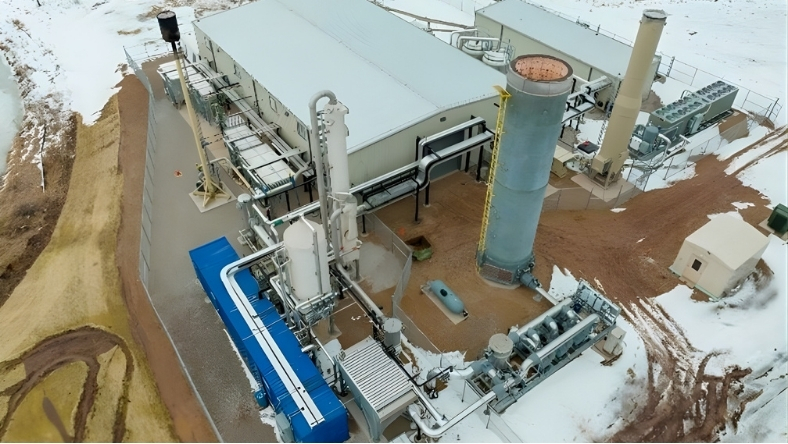
A shift is under way in how landfill gas is being used across the US, as more sites move beyond flaring or on-site power generation to upgrade methane into renewable natural gas, a fuel that can be injected into existing gas pipelines.
Recent project awards suggest growing momentum for this approach, particularly under owner-operator business models in which third-party developers finance, build and run facilities. In Oregon, Lane County and Emerald People’s Utility District have selected Waga Energy to develop an RNG plant at the Short Mountain landfill near Eugene. The facility is designed to produce about 407,000 MMBtu of RNG a year using the company’s WAGABOX technology.
A similar structure has been agreed in Hillsborough County, Florida, where officials have chosen Waga Energy to develop an RNG facility at the Southeast County landfill in Lithia. That project is expected to produce up to 610,000 MMBtu a year and will also be owned and operated by the developer under a long-term contract.
Such deals reflect a wider interest in owner-operator models, which shift construction and performance risk away from landfill owners while allowing them to share in revenue from renewable gas sales. For developers, the model offers long-term cash flows linked to waste volumes and gas capture rates.
Activity elsewhere in the sector points to broader growth in landfill-sourced RNG. Southern California Gas Company has begun accepting renewable gas from a landfill facility at WM’s Simi Valley site into its pipeline system, marking a step forward for grid integration. Other projects, including Viridi Energy’s development at the Magnolia landfill in Alabama, underline the range of companies pursuing landfill gas upgrades.
Large waste operators are also expanding their involvement. WM has said it is advancing an RNG project at its Fairless landfill that is expected to process millions of MMBtu of renewable gas each year, as part of efforts to reduce methane emissions and supply lower carbon fuels.
For utilities, energy buyers and policymakers, RNG is attractive because it can use existing gas infrastructure while cutting greenhouse gas emissions. Data from the US Environmental Protection Agency show landfill gas remains one of the largest potential sources of RNG feedstock in the country.
Owner-operator structures are only one of several ways to finance and deliver such projects. But if current levels of interest persist, landfill RNG is likely to take a larger role in the US renewable energy mix.
Latest News
19 Jan 2026
Why Landfills Are Becoming Hotspots for Renewable Gas16 Jan 2026
AgSTAR Data Signals a Maturing U.S. Biogas Market15 Jan 2026
EPA RFS Shift Sets off Race for Compliant RNG12 Jan 2026
America’s Trash Is Powering a Quiet Energy Shift
Related News
INSIGHTS
19 Jan 2026
Why Landfills Are Becoming Hotspots for Renewable Gas

RESEARCH
16 Jan 2026
AgSTAR Data Signals a Maturing U.S. Biogas Market
REGULATORY
15 Jan 2026
EPA RFS Shift Sets off Race for Compliant RNG
SUBSCRIBE FOR UPDATES
By submitting, you agree to receive email communications from the event organizers, including upcoming promotions and discounted tickets, news, and access to related events.